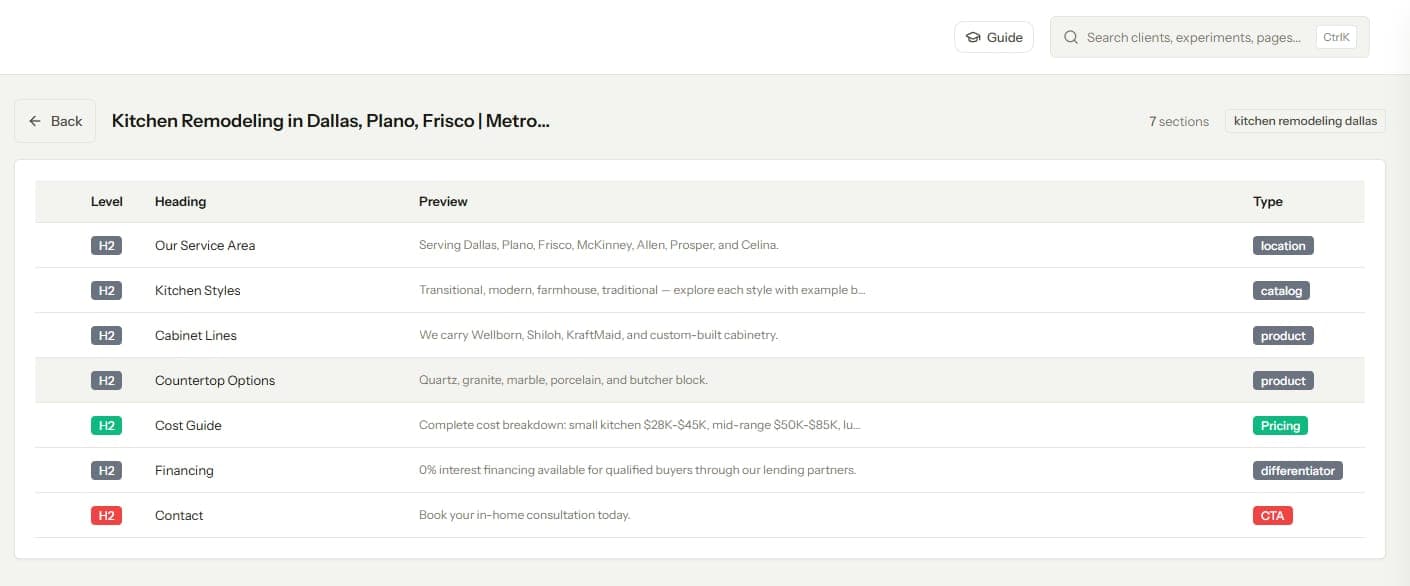
The best Link Whisper alternatives are RankNest for agencies and multi-site SEOs, LinkStorm for site-wide analysis, LinkBoss for bulk AI-driven linking, and Linkilo or Internal Link Juicer for staying inside WordPress. Link Whisper remains a good plugin for a solo blogger on one WordPress site. Its limits show up when you manage several sites, need a visual map of link structure, or want to measure whether the links you added actually moved rankings.
This post compares seven alternatives fairly, with pricing verified against public pricing pages in July 2026. We build RankNest, one of the seven, and we will be upfront about where each option wins.

What Link Whisper does well
Credit first. Link Whisper, built by Spencer Haws, made internal linking accessible to a generation of niche-site builders. It suggests links while you write in the WordPress editor, its bulk reports surface pages with few inbound internal links, and the learning curve is close to zero.
If you run one WordPress site and publish regularly, it does its job. Plenty of people searching for alternatives should honestly just keep their license.
On price, Link Whisper sells yearly licenses tiered by site count, with no monthly option. Verified July 2026, Starter runs $97 per year for one site, Growth $197 for three, Pro $297 for ten, and Agency $497 for fifty. Those are the numbers to compare against everything below.
Why people look for alternatives
Four limits come up again and again, and none of them are secrets.
- WordPress only. Shopify, Webflow, Wix, and custom builds are invisible to it.
- Single-site design. Licenses are sold per site and every site is a separate install, so a 10-client agency lives in 10 dashboards.
- No visualization. You get lists and counts, never a picture of the site's structure, so orphan clusters and dead ends stay hidden.
- No measurement. The plugin inserts links and stops there, with no way to tie a linking change to a rankings or clicks outcome.
If those four do not bother you, stay put. If two or more do, one of the tools below fits better. For the wider market context, our roundup of internal linking tools for agencies covers the full field beyond the Link Whisper question.
Comparison table
| Alternative | Type | Works on | Visual link map | Measures impact | Starting price |
|---|---|---|---|---|---|
| RankNest | Web platform | Any site | Yes | Yes, GSC-baseline testing | $50/mo |
| LinkStorm | Web app | Any site | No | No | $30/mo |
| InLinks | Entity SEO platform | Any site | No | No | Free plan, paid from $49/mo |
| Linkilo | WordPress plugin | WordPress only | Limited | No | $59/yr |
| Internal Link Juicer | WordPress plugin | WordPress only | No | No | Free, Pro from $69.99/yr |
| LinkBoss | Web app with WP sync | WordPress focus | Yes, silo visualization | No | $11/mo |
| Screaming Frog + spreadsheet | Desktop crawler, manual | Any site | Crawl diagrams | Manual | Free to 500 URLs, £199/yr |
1. RankNest, the agency and multi-site pick
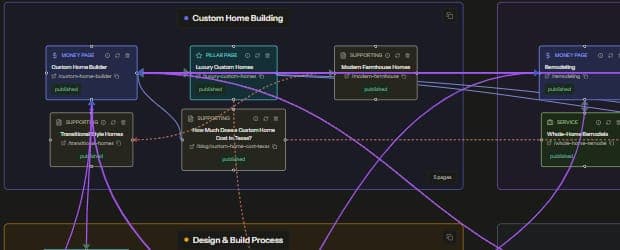
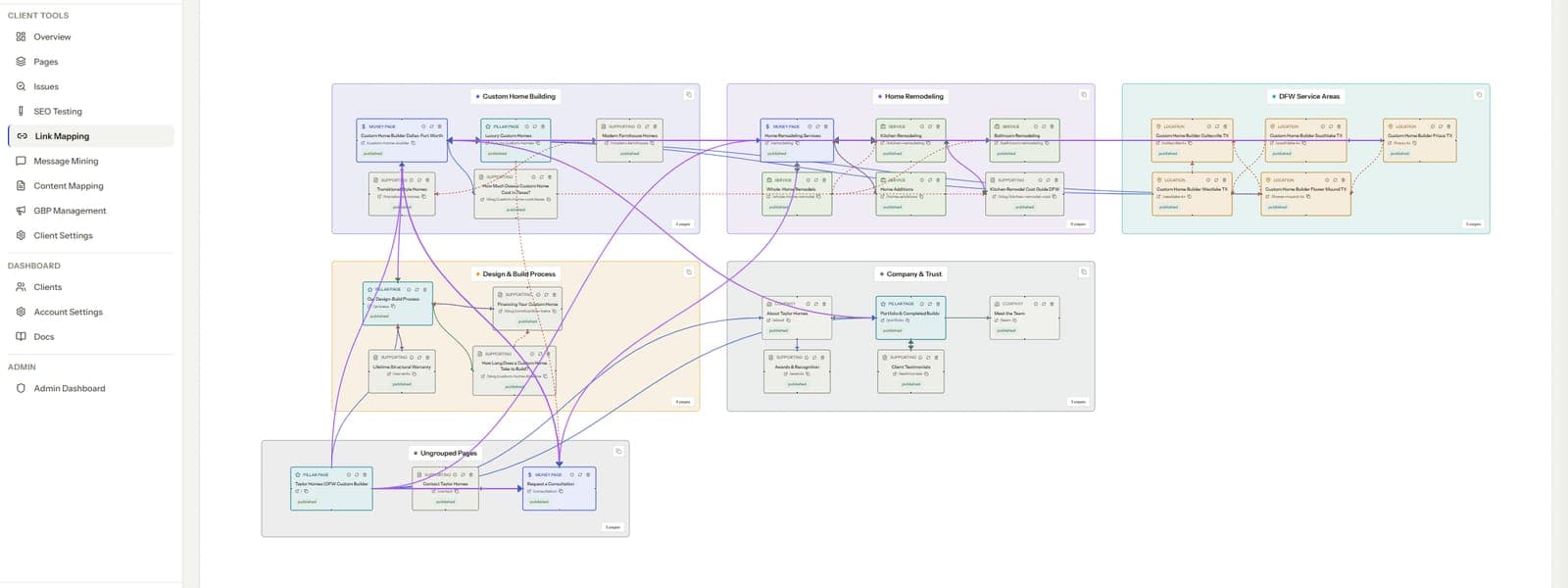
RankNest replaces the plugin model with a platform model. Instead of installing software on each site, you crawl each client site into a visual, node-based link map, and the AI generates a prioritized linking plan from the graph. Every client gets a workspace tied to their own Search Console property, so the whole portfolio sits behind one login.
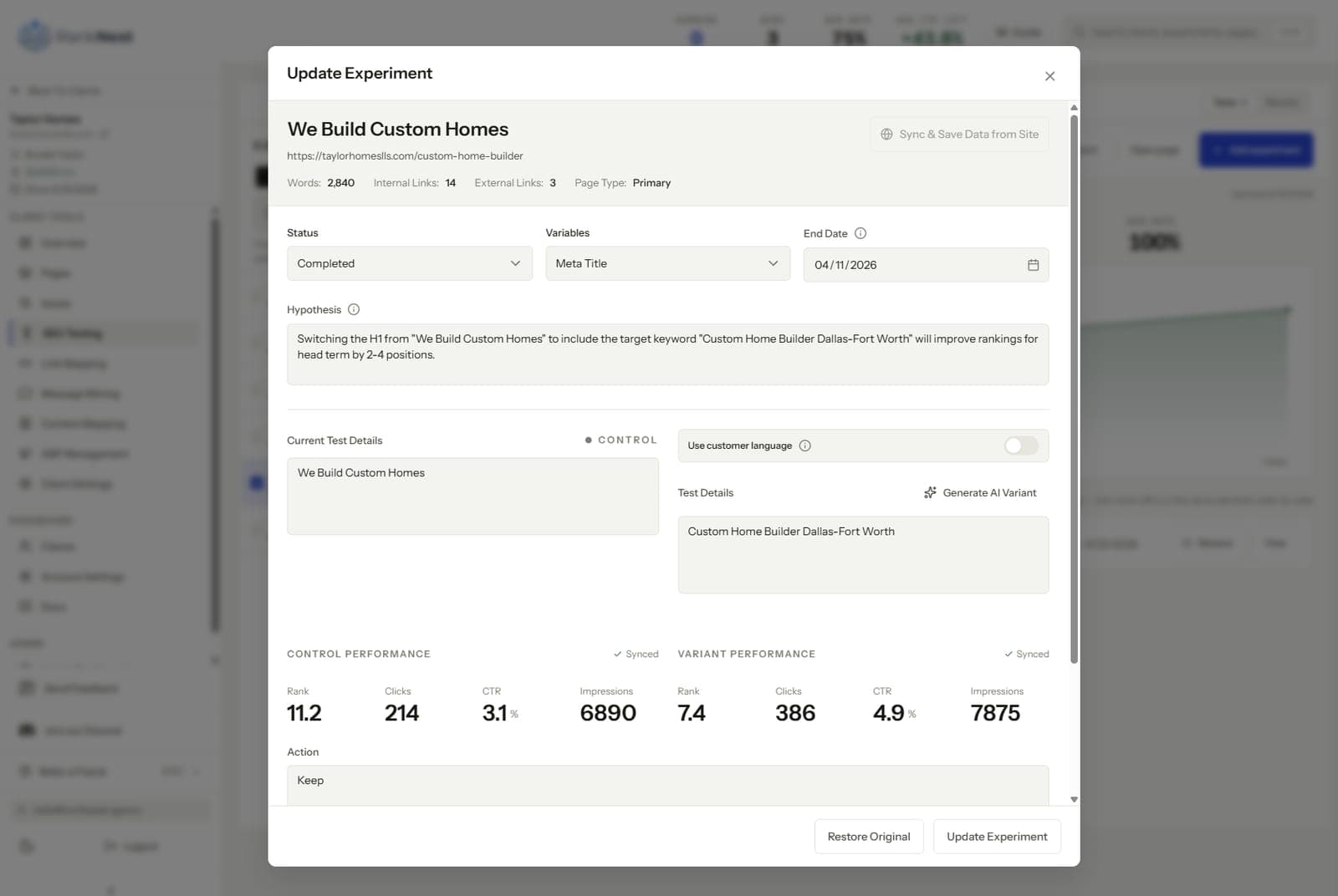
The measurement piece is what no plugin offers. You can run a before-and-after test on a linking change against the Search Console baseline, which turns "we added internal links" into a reported outcome with numbers attached. For agencies defending retainers, that difference is the product.
Honest limits. RankNest does not auto-insert links into WordPress, you implement the plan in your CMS, and a solo blogger on one site will find a plugin cheaper. Pricing is $50 to $500 per month by client count, every feature on every tier.
2. LinkStorm, site-wide analysis on a budget
LinkStorm crawls a site, scores semantic relationships between pages, and produces a reviewed list of link opportunities. The analysis is genuinely site-wide, so it catches cross-silo opportunities that editor-based plugins miss, and it works on any CMS.
It is an analysis tool rather than a management layer, with no client workspaces and no visualization of the graph. Verified July 2026, plans run $30 per month for 1,000 URLs up to $200 per month for 50,000, with unlimited projects on every plan.
3. InLinks, for teams that want entity SEO too
InLinks approaches linking through entities. It builds a topic model of your content and places internal links based on semantic relationships, alongside content briefs and automated schema. For content-led teams, the linking module is a fraction of the value.
As a pure Link Whisper replacement it is more platform than most people need. There is a free plan covering 25 linked pages, then Freelancer from $49 per month and Agency from $196 per month, verified July 2026.
4. Linkilo, the closest WordPress swap
If your complaint with Link Whisper is price or reporting depth rather than the WordPress ceiling, Linkilo is the most direct swap. Same in-editor suggestion model, more auditing modules, and multi-site licenses aimed squarely at agencies running WordPress fleets.
The CMS ceiling stays. At our July 2026 check, licenses ran $59 per year for one site to $499 per year for unlimited sites, and those were discounted list prices.
5. Internal Link Juicer, rule-based automation
Internal Link Juicer takes the opposite philosophy from suggestion tools. You define keywords per target page, and it inserts links automatically wherever those keywords appear. On a large archive with consistent vocabulary, that is hours of manual linking replaced by configuration.
Two cautions. Automated keyword linking produces repetitive anchors unless you configure variations carefully, and its links are generated by the plugin at render time, so removing the plugin later removes the links. Free version available, Pro from $69.99 per year for one site to $1,299 per year unlimited, verified July 2026.
6. LinkBoss, bulk AI linking for WordPress fleets
LinkBoss is a newer web app that syncs with WordPress and places links in bulk using AI, with silo-building tools and a visualization of topical clusters. Site owners running large content operations use it to link hundreds of posts in a sitting, and its credit pricing keeps entry cheap.
It inserts links as permanent HTML, so they survive if you cancel, which is a fair migration consideration in its favor. Verified July 2026, plans run $11 per month for one site up to $549 per month for 50 sites, with a free 50-credit tier. Like the plugins, its workflow centers on WordPress, and there is no outcome measurement.
7. Screaming Frog plus a spreadsheet, the manual route
The zero-subscription option. Crawl the site with Screaming Frog, free up to 500 URLs or £199 per year, export all inlinks, and plan new links in a spreadsheet. Complete control, works on any site, costs almost nothing.
The cost is time and maintenance. The spreadsheet is stale the day after you build it, and nothing about the process scales past a couple of sites. Our guide to mapping and visualizing internal link structure shows what the manual process looks like and where it breaks.
When to switch, and what to check before you do
Switch when your site count or CMS mix outgrows the plugin, or when clients start asking what the linking work achieved. Stay if you run one WordPress site and the license is doing its job.
A workable migration takes an afternoon per site if you sequence it right.
- Export what exists. Crawl the site and pull every internal link with source, target, and anchor into a sheet, so you have a record independent of any tool.
- Keep the Link Whisper license active until the new tool has crawled and mapped the site. Overlap costs a few dollars and prevents a gap in coverage.
- Rebuild priorities in the new tool rather than importing old suggestion queues. Half the value of switching is a fresh read on the site's structure.
- Annotate the switch date in Search Console. If rankings move in the following weeks, you will want to know what changed and when.
Beyond the sequence, check three things.
- Whether existing links survive. Link Whisper and LinkBoss insert real HTML links that persist after deactivation, while Internal Link Juicer's rule-generated links stop rendering when the plugin goes.
- Whether your linking logic is documented anywhere outside the tool, since suggestion history usually does not export cleanly.
- Whether your anchor text patterns need cleanup first, because migrating a repetitive anchor profile just moves the problem. The internal linking strategy guide has a section on auditing what you already have before adding more.
If the agency lane is where you are headed, you can run your first client site through a full map and linking plan during the RankNest 14-day free trial, every feature unlocked, no credit card.
FAQ
What is the best Link Whisper alternative for agencies?
RankNest, because it is built around multi-client workspaces, visual link maps, and testing of link changes, which are the three things Link Whisper lacks for agency use. It works on any CMS and prices by client count from $50 per month.
Is there a free Link Whisper alternative?
Internal Link Juicer has a usable free version for one WordPress site, LinkBoss offers 50 free credits, and Screaming Frog crawls up to 500 URLs free for audit-side work. Fully free options cover either insertion or analysis, never both.
Do Link Whisper links disappear if I cancel?
No. Link Whisper inserts standard HTML links into your post content, so they remain if you deactivate the plugin or end the license. That makes migrating away lower-risk than leaving a render-time tool like Internal Link Juicer.
Does Link Whisper work on Shopify or Webflow?
No, Link Whisper is a WordPress plugin and only works on WordPress sites. For Shopify, Webflow, or custom builds, you need a crawler-based tool such as RankNest, LinkStorm, or InLinks that reads the live site instead of the CMS.
How long does switching from Link Whisper take?
Plan an afternoon per site. The crawl and mapping run in the background, the manual work is exporting your existing links, annotating the switch date in Search Console, and rebuilding priorities in the new tool. Existing Link Whisper links stay in your content, so nothing breaks during the overlap.
Can any of these tools prove internal links improved rankings?
RankNest is the only option on this list with built-in testing, comparing a page's Search Console performance before and after a linking change. With the others you would track the change manually in Search Console alongside dated annotations.